RVGearGuide.com
Fix it, upgrade it, and get back on the road.
Straight answers for RV owners who turn their own wrenches. We start with the checks that cost nothing, tell you plainly when a job is not yours to do, and only point at a part once you know you need it.
Browse the guides ›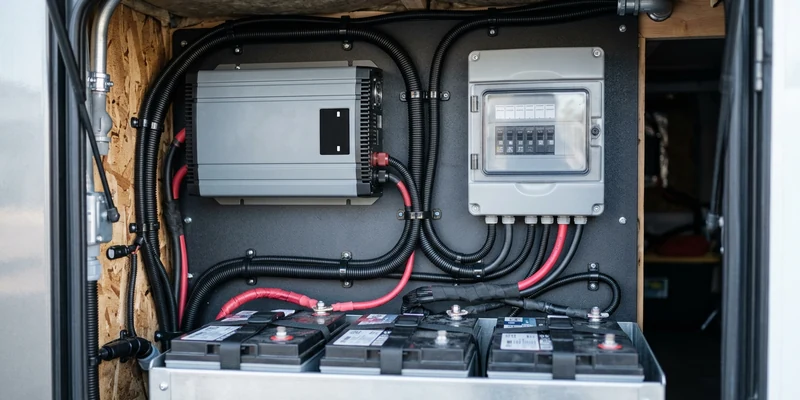 Power & Electrical ›
Converters, inverters, batteries and solar, from a dead outlet to a full lithium upgrade.
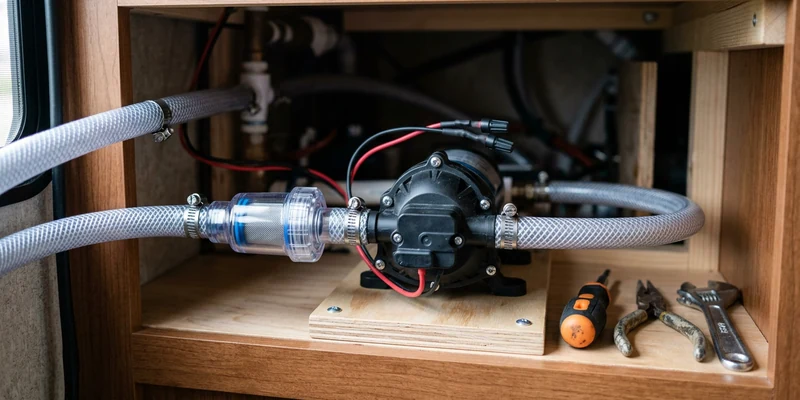 Water & Plumbing ›
Pumps, tanks, filters and winterizing, including the leaks nobody warns you about.
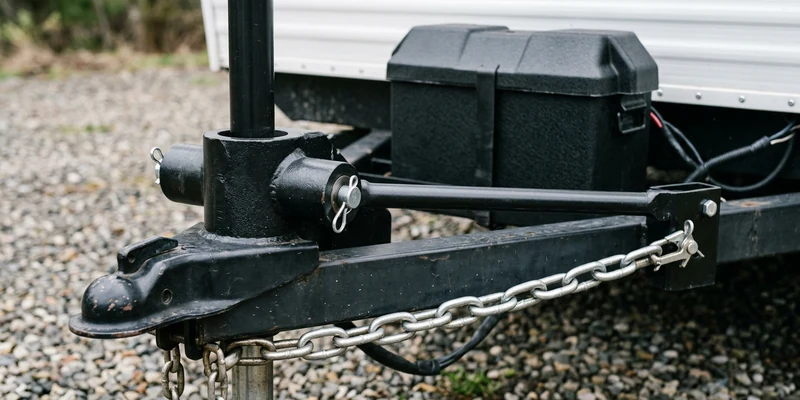 Towing & Safety ›
Sway, tongue weight, brakes and tires, explained in numbers you can actually check.
 Climate & Comfort ›
Fridges, furnaces, air conditioners and awnings, in summer heat and freezing nights.
 Appliances & Interior ›
Stoves, ovens and range hoods: what fails, what fits and what to replace it with.
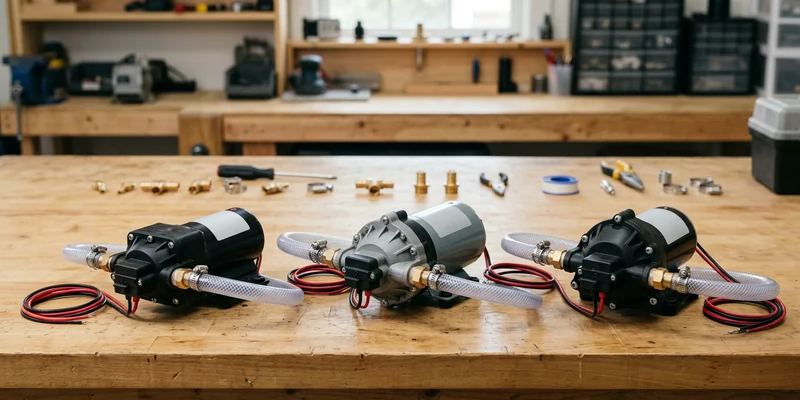
Something broken? Start here
All troubleshooting ›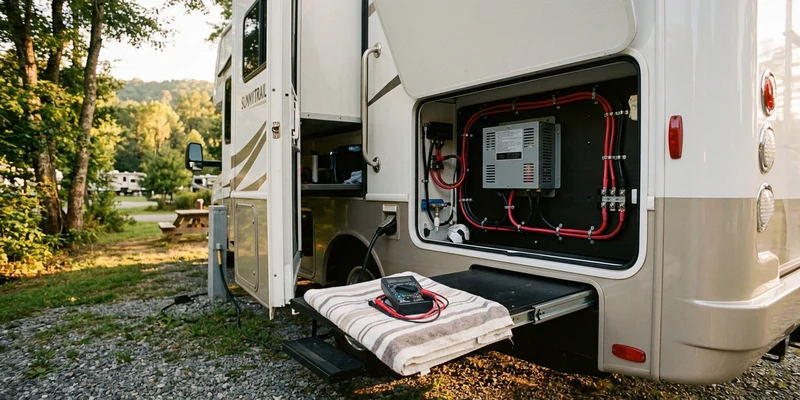 No 12 volt powerRV converter repairWhy the lights dim and the battery drains, and what to check before buying a part.Pump troubleRV water pump repairMost pump failures are not the pump. Start with the six checks that cost nothing.
 Towing nervesWhat causes trailer swayLoading, tongue weight and speed, and the one thing never to do when it starts.
 Warm fridgeRV refrigerator not coolingPower, mode, level and airflow, in the order a technician would work through them.
Diagnose before you buy a part
Most RV failures get fixed twice: once by replacing the wrong part, and once by finding the real cause. A converter that stopped charging is usually a blown fuse, a loose ground or a corroded terminal long before it is a dead converter. A water pump that runs and runs is almost always drawing air on the suction side. So every troubleshooting guide here works in the same order a technician would: symptoms first, then the checks that cost nothing, then the part.
And an honest line about what to leave alone
Plenty of RV work is genuinely a driveway afternoon. Twelve volt wiring, fuses, seals, filters, pumps and leveling are all yours if you take the usual care. Propane is not. Neither is the 120 volt side, the sealed refrigerant circuit, or a hitch component with a crack in it. Every article states where that line falls and why, because knowing when to stop is worth more than any tool in the bay.
Why RVGearGuide.com?
Every product pick sits inside the guide that explains when you actually need it.
We open with what costs nothing, because that is what fixes most of these problems.
Voltages, pressures and weights are given as the ranges owners really see, with your own labels as the authority.
Propane, shore power and anything structural get named as technician work, every time.